Speaking
My talks come from hands-on engineering work and more than twenty years of building distributed systems. Much of my current work sits between Kubernetes and the infrastructure underneath it, where both systems can look healthy while the cloud they form is broken.
To invite me to speak at a conference or meetup, join a panel or podcast, or run a workshop, email me at szahariev@szahariev.com.
Available talks
Sovereignty is a control plane property, not a data-residency checkbox
Data residency answers where the bytes are. It says nothing about who controls the keys needed to decrypt them or whether the operator can move the system elsewhere. This talk works through five architectural invariants and a vendor-neutral checklist for testing a sovereignty claim.
- Sovereign cloud
- Open infrastructure
- Security
- Platform engineering
Why a VM API isn't enough for Kubernetes
Creating a VM is only the beginning. Kubernetes also needs networking, storage, topology and a reliable account of what happened when an operation was interrupted. This talk follows those responsibilities across Cluster API, the cloud controller manager and the CSI driver.
- Kubernetes
- OpenInfra
- Platform engineering
Idempotency is more than "safe to retry"
An idempotency key is easy to add and hard to define. This talk examines provider calls that succeed before the caller sees the result, keys reused with different input and operations that are later compensated. It turns those cases into a practical outcome model and API review checklist.
- Distributed systems
- APIs
- Cloud native
- Platform engineering
Deleting a cloud resource is a distributed-systems problem
A single DELETE can remove the local record while leaving the provider resource running, along with a child volume that nothing tracks anymore. This talk follows the states hidden behind that request and shows how to make the deletion workflow recoverable.
- SRE
- Cloud native
- Distributed systems
- Platform operations
Talks in development
An availability zone is not just a string
Choosing an availability zone when launching a machine is easy. Keeping Kubernetes failure domains, machine placement, root volumes and later disk attachments in the same topology is not. This talk follows one zone choice through the control plane.
The network is the cloud: where multi-tenant abstractions break
Routes, security groups and peering are usually modeled as separate CRUD resources, but together they form the tenant isolation boundary. Publishing a node's pod CIDR into a route table does nothing unless the node's interface is allowed to carry it.
Two tenants, one CIDR: multi-tenant DNS when source IP lies to you
Two tenants can use the same private address range, so source IP alone cannot tell a shared DNS service which tenant a query belongs to. The answer has to come from the network path, not an address that may mean something different in every tenant.
Can you prove your architecture is still true?
Architecture documents drift away from code. A claim ledger ties each important assertion to a version of the code that demonstrates it, a test that fails when it stops being true, or a clear record that the claim has not yet been proven.
AI can generate an implementation, but it cannot prove it works
Generated code arrives with generated tests that agree with it. The talk is about what you run to find out whether either one is telling the truth.
Speaker biography
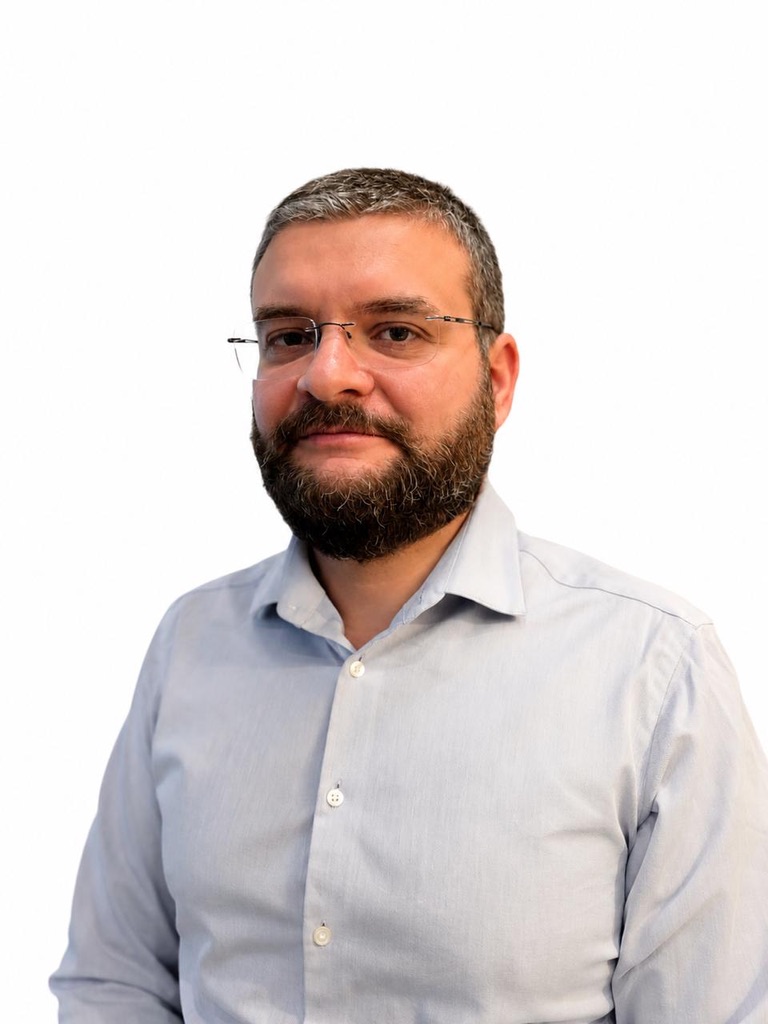
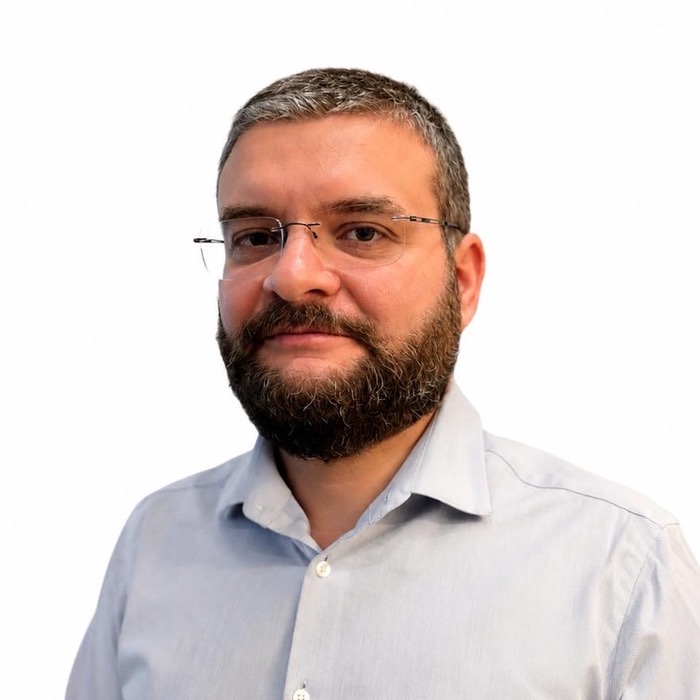
Stanislav Zahariev is a distributed systems engineer working on sovereign cloud control planes and open infrastructure. For more than twenty years, he has built distributed systems across carrier-grade telephony, fintech and AI. He writes and speaks about Kubernetes, OpenStack and what happens when cloud architecture meets real systems and real failures.
Download portrait headshot · Download square headshot · LinkedIn · Bluesky